
Navigating the landscape of South Florida construction is a task that demands more than just a blueprint and a crew; it requires an intricate understanding of a unique regulatory and environmental ecosystem. From the salt-heavy air of the Atlantic to the strict High-Velocity Hurricane Zone (HVHZ) requirements, the stakes in our region are exceptionally high. For property owners and developers, the difference between a successful build and a financial nightmare often hinges on the quality of their construction management.
At SBC Florida, we have spent over 20 years perfecting the art of the build in this challenging environment. We’ve seen how overlooked details in the pre-construction phase can lead to multi-million dollar delays. This guide is designed to provide professional insight into the complexities of construction management in South Florida, ensuring your residential, commercial, or hospitality project is built to last, remains compliant, and maximizes every dollar spent.
Why Expert Construction Management in South Florida is Non-Negotiable
Construction in Florida is unlike construction anywhere else in the United States. The region’s geography dictates a set of rules that are as rigid as the concrete we pour. Managing a project here means juggling municipal building departments, the Florida Department of Environmental Protection (FDEP), and the South Florida Water Management District (SFWMD).
An expert construction manager doesn't just watch the clock; they anticipate the regulatory hurdles that can halt a project before it even breaks ground. Without a focused strategy for construction management in South Florida, projects often fall victim to "scope creep," where unforeseen environmental or structural requirements inflate the budget and extend the timeline indefinitely.
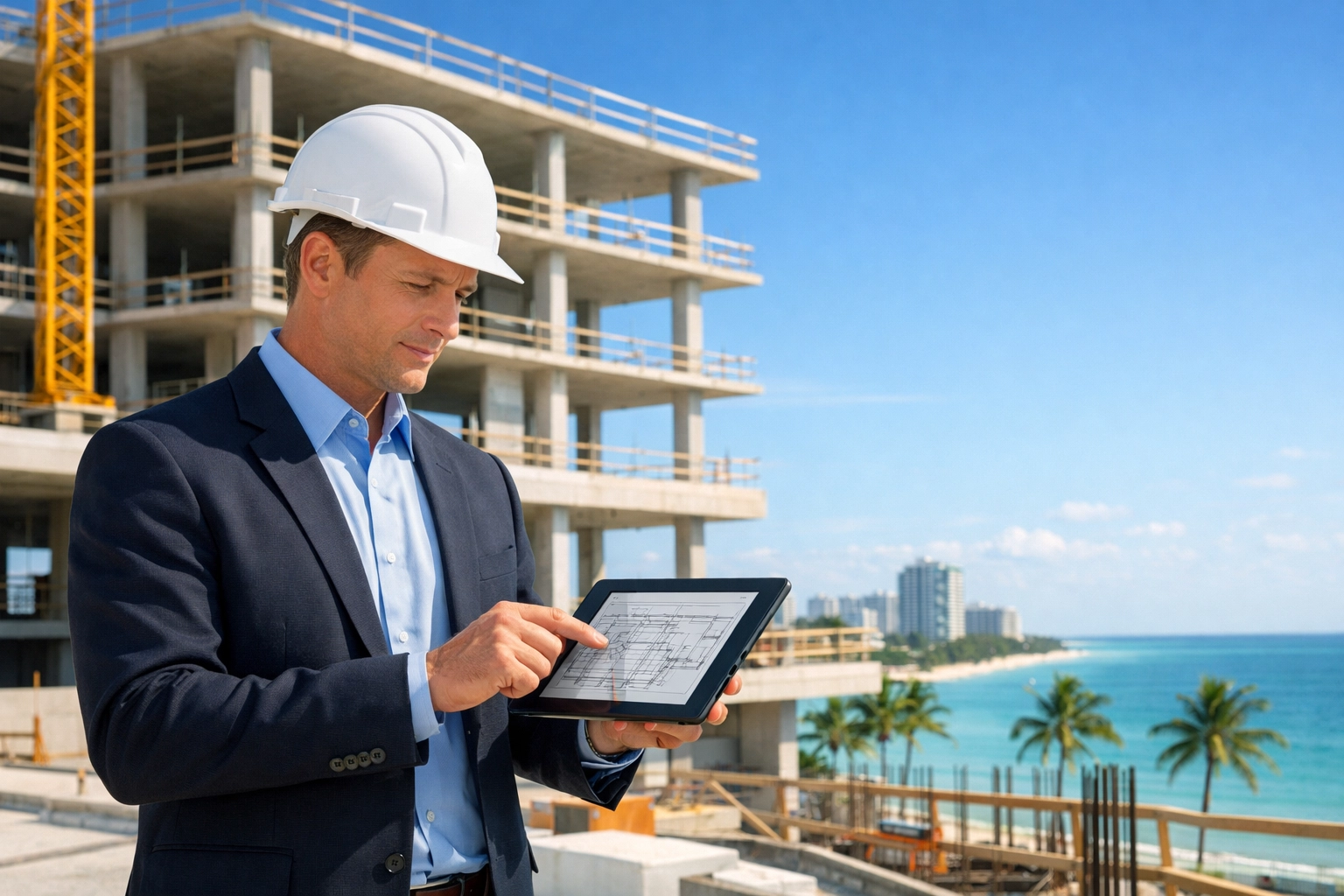
7 Critical Mistakes a Seasoned General Contractor in South Florida Would Never Make
To truly understand what success looks like, we must look at what the experts avoid. In our two decades of experience, we’ve identified several "red flag" behaviors that can compromise the integrity of a project.
1. Ignoring Zoning and Buildability Restrictions
A professional would never sign off on a project without a comprehensive buildability report. Many developers assume that if they own the land, they can build what they want. In South Florida, zoning laws and environmental requirements are constantly evolving. Ignoring a demographic analysis or a site selection audit can lead to a project being stalled at the permitting stage for months: or years.
2. Skipping the Continuous Load Path Analysis
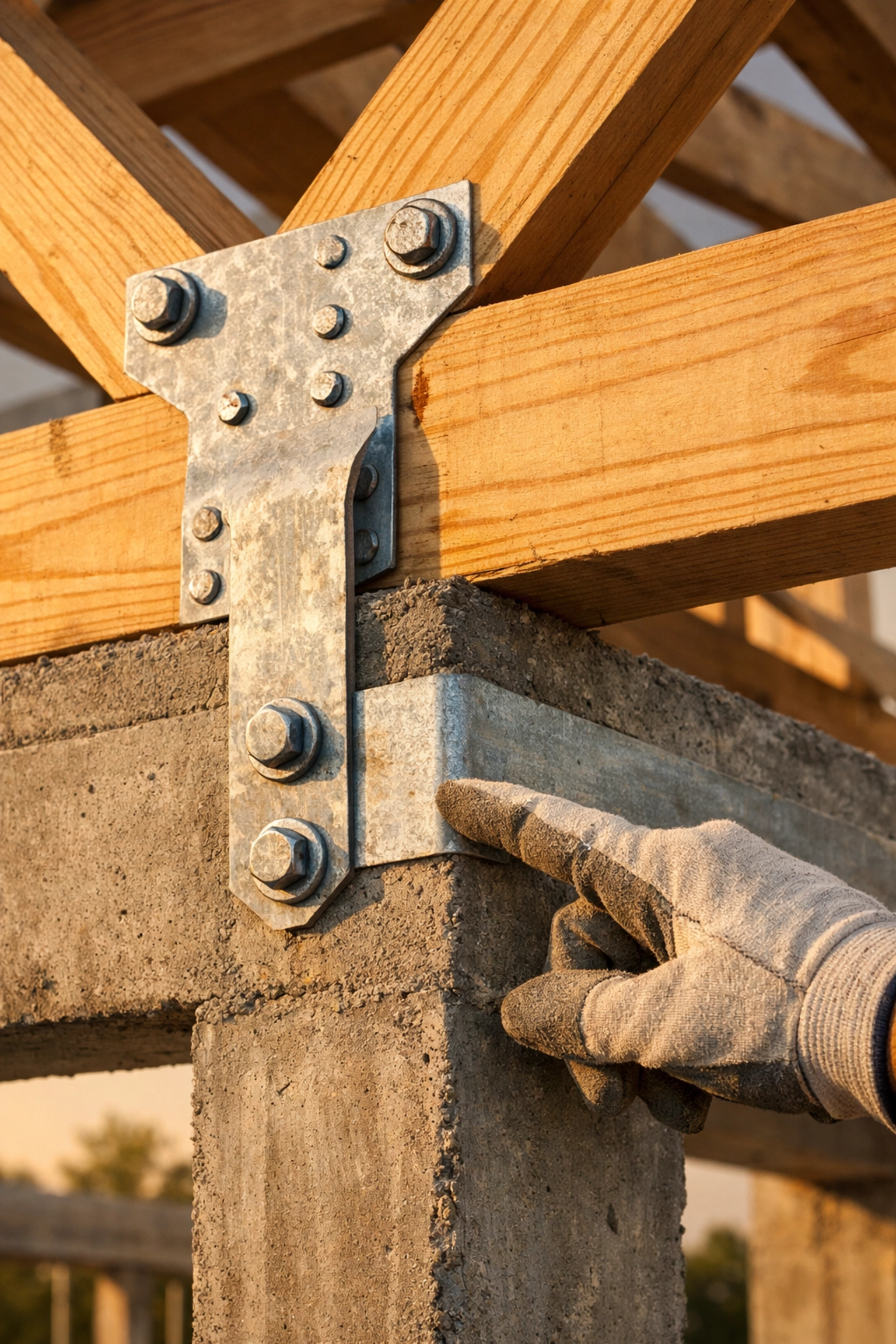
In a hurricane-prone region, structural integrity isn't just about thick walls. It’s about the "continuous load path." This is a method of construction that ties the roof, walls, and foundation together to ensure the building acts as a single, cohesive unit during high-wind events. A reputable south florida construction company will never cut corners on the connectors, bolts, and straps that maintain this path.
3. Overlooking the 40-Year Building Recertification
For existing structures, neglecting the 40-year building recertification is a recipe for disaster. This is a mandatory process in Miami-Dade and Broward counties to ensure the safety of older buildings. Expert managers stay ahead of these deadlines, performing structural and electrical inspections long before the county sends a notice. Failing to do so can result in the loss of insurance or even building condemnation.
4. Relying on Generalists Instead of a Design-Build Contractor
One of the biggest mistakes is separating the design team from the construction team. This often leads to "finger-pointing" when a design isn't feasible in the field. A design build contractor in South Florida integrates these phases, ensuring that the architects and engineers are in constant communication with the builders, which minimizes errors and reduces costs.
5. Neglecting Value Engineering
There is a common misconception that value engineering in construction simply means "cutting costs." In reality, true value engineering is about maximizing function while minimizing cost. It’s about finding a more durable material that costs less to install or a structural design that uses fewer materials without sacrificing safety. Experts would never proceed with a project without a rigorous value engineering audit.
6. Failing to Account for the "Salt Air Factor"
In coastal areas, the salt in the air is highly corrosive. A manager who doesn't specify specialized coatings, stainless steel fasteners, or high-grade HVAC systems is setting the owner up for massive maintenance costs within the first five years.
7. Underestimating the Permit Landscape
The permit process in Florida is a gauntlet. Between digital submissions on platforms like My Government Online (MGO) and the need for sequential inspections (foundation, framing, electrical, plumbing), a project can easily get lost in the shuffle. Experts maintain transparent, daily communication with local building departments to keep the process moving.
The Regulatory Gauntlet: Permits and Inspections
Navigating construction services in Florida requires a systematic approach to the Florida Building Code. This code governs everything from electrical rough-ins to the impact-rated glass required for every window.
- Phase 1: Pre-Permit Planning: This involves gathering all structural, mechanical, and site plans for submission.
- Phase 2: The Submission: In South Florida, this often involves multiple agencies. You aren't just dealing with the city; you may be dealing with the county's environmental resources department.
- Phase 3: The Inspection Cycle: Inspections are not suggestions; they are legal requirements. Each phase of the build must be "signed off" by a municipal inspector. A delay in the plumbing rough-in inspection can push back the insulation, drywall, and finish work by weeks.
Leveraging Technology for Timeline Synchronization
Modern commercial construction in South Florida relies heavily on technology. We use real-time tracking for budget monitoring and cost forecasting. This transparency ensures that all stakeholders: from the investors to the subcontractors: are on the same page.
When you use technology to synchronize your timeline, you can implement contingency plans for South Florida’s most common delay: the weather. A rainy season can wash out a foundation schedule, but a proactive construction manager will have a "rainy day" task list of interior or administrative work to keep the project's momentum alive.
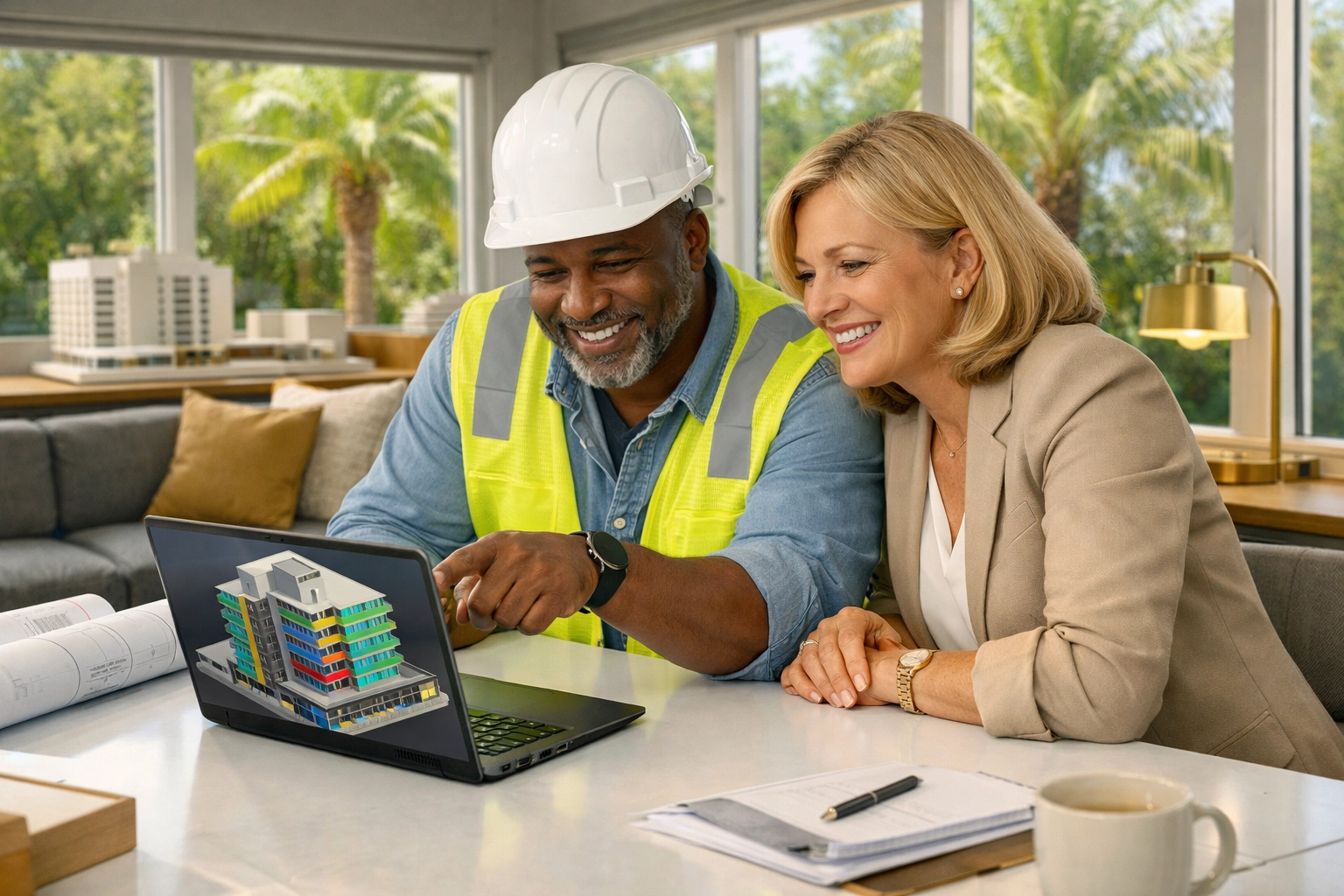
The SBC Florida Approach: Craftsmanship Meets Strategy
With over 20 years of experience, SBC Florida has built its reputation on the pillars of craftsmanship and meticulous management. Whether we are working on high-end hospitality renovations or large-scale commercial developments, our goal is to provide a seamless experience for the client.
We understand that you are not just building a structure; you are making an investment. Our value engineering process ensures that your investment is protected from the start, and our deep roots in the Florida construction industry allow us to navigate the complexities of local regulations with ease. We don't just follow the code; we build to a higher standard.
Conclusion: Securing Your Project’s Future
Success in the South Florida construction market is not guaranteed by a large budget alone. It is achieved through foresight, local expertise, and a refusal to compromise on quality. By avoiding common pitfalls: like neglecting the 40-year recertification or ignoring the benefits of a design-build approach: you set your project on the path to long-term durability and value.
Working with a licensed and experienced professional can help clarify your project goals and ensure that your vision is realized within the unique constraints of our region. SBC Florida connects developers and homeowners with the expertise needed to navigate the complexities of construction in the Sunshine State.
Disclaimer: This content is educational and informative, not a substitute for professional architectural, engineering, or legal advice. Consult qualified providers for personalized project assessments and compliance requirements.
Frequently Asked Questions (FAQ)
What is the 40-year building recertification?
It is a mandatory safety inspection for buildings in Miami-Dade and Broward counties that have reached 40 years of age (and every 10 years thereafter). It ensures the structural and electrical systems are still safe for occupancy.
How does "Value Engineering" benefit my project?
Value engineering analyzes every component of your build to find the most cost-effective way to achieve the desired function and quality. It often results in significant savings without compromising the building's integrity.
Why is the "Design-Build" model better for South Florida projects?
Because South Florida regulations are so complex, having the design and construction teams under one roof reduces communication errors, speeds up the permitting process, and ensures that the design is actually buildable within the local code.
What is the High-Velocity Hurricane Zone (HVHZ)?
This refers to specific areas (primarily Miami-Dade and Broward) that have the strictest building codes in the nation regarding wind resistance and impact protection. Any construction in Florida within these zones must meet rigorous testing standards.