
Breaking ground on a new project in the Sunshine State is a high-stakes endeavor where the margin for error is razor-thin. Whether you are developing a retail hub in Miami-Dade or a boutique office space in Palm Beach, the landscape of commercial construction south florida is defined by rigorous codes, volatile weather patterns, and complex logistical hurdles. To succeed, you cannot simply hire a crew and hope for the best; you need a strategic partner who understands that building in this region is a specialized discipline.
In Florida, the environment is as beautiful as it is demanding. From saltwater corrosion to Category 5 hurricane requirements, the structural integrity of your investment depends on decisions made long before the first shovel hits the dirt. This guide pulls back the curtain on the industry secrets that separate successful developments from those that end in litigation or financial ruin.
7 Things Elite Contractors Would Never Do During Pre-Construction
When it comes to construction services florida, the "fake it 'til you make it" mentality leads to disaster. Expert contractors who have been in the trenches for over 20 years operate by a strict set of rules. Understanding what a professional would never do is the first step in protecting your capital.
- They Would Never Ignore a Site Feasibility Study: Amateurs rush into land acquisitions. Professionals analyze zoning, traffic flow, and environmental impact first.
- They Never Provide a "Ballpark" Estimate Without Data: A reliable general contractor south florida uses historical data and current market rates to provide a realistic budget.
- They Would Never Skip Subsurface Soil Testing: Florida’s limestone and high water tables can swallow a budget if the foundation isn't planned for specific soil conditions.
- They Never Overlook Local Zoning Nuances: Every municipality from Fort Lauderdale to Boca Raton has unique setbacks and height restrictions. Ignoring these can halt a project for months.
- They Would Never Hire Uninsured Subcontractors: Liability is a project-killer. Proper vetting is non-negotiable.
- They Never Prioritize Speed Over Permit Accuracy: A "fast" permit that is later revoked due to errors is a catastrophic setback.
- They Would Never Start Without a Clear Communication Plan: Misunderstandings between owners, architects, and builders are where most "hidden costs" originate.
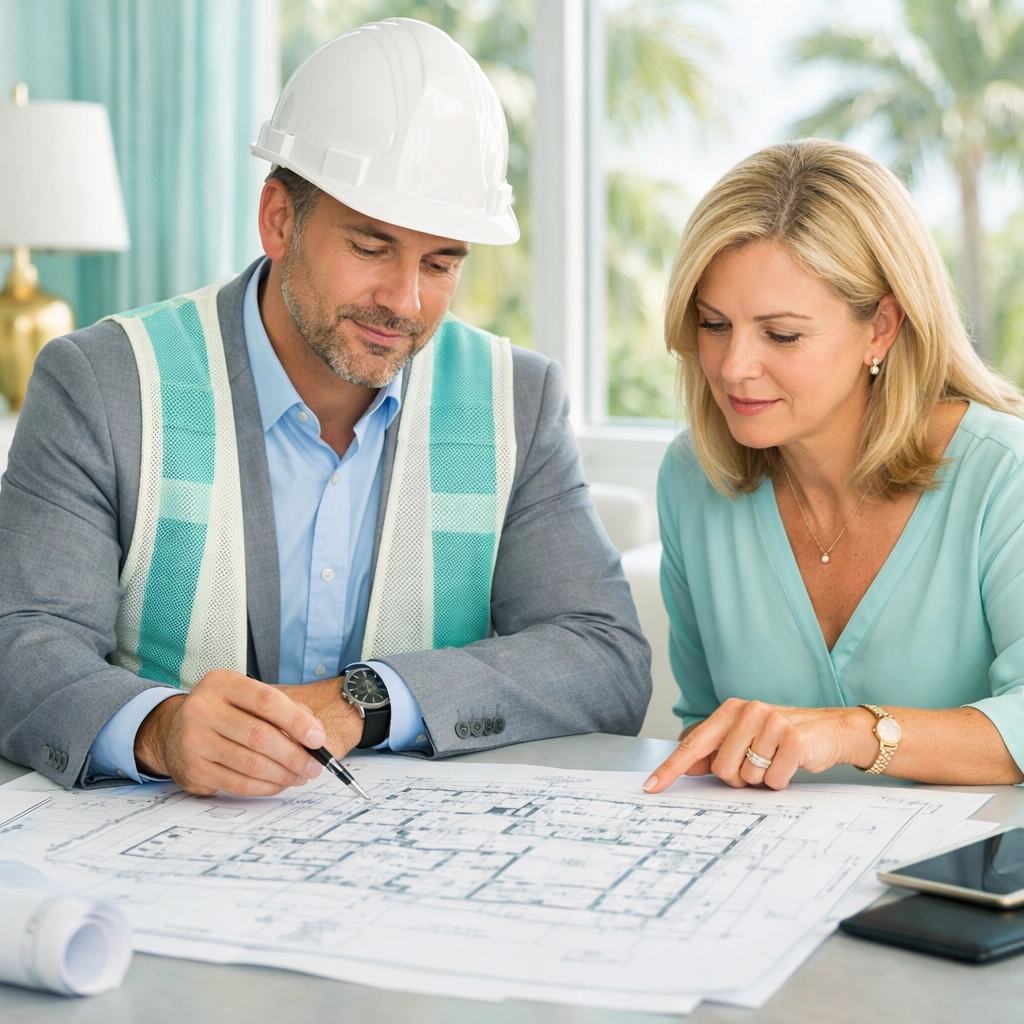
Navigating the Complexities of Construction in Florida: Site Selection and Zoning
The foundation of a successful commercial project is laid during the site selection phase. In south florida construction, location is about more than just a prestigious address; it’s about architectural feasibility and regulatory compliance.
Before signing a lease or purchase agreement, you must verify the permitted uses for the land. Many developers find themselves stuck with a property that requires a lengthy and expensive rezoning process. A seasoned south florida construction company like SBC Florida helps clients navigate these early hurdles by performing demographic analysis and reviewing the local zoning code for maximum lot coverage, parking ratios, and traffic impact obligations.
In dense urban areas like Miami, urban design oversight is particularly strict. Your project may need to meet specific aesthetic requirements or contribute to public infrastructure improvements. Failing to account for these "soft costs" early on can lead to a significant funding gap later.
Why Design-Build Is Revolutionizing Commercial Projects
Traditionally, owners hired an architect and a contractor separately, often leading to a fragmented process where the two parties were at odds over costs and feasibility. Today, the design build contractor south florida model is the gold standard for efficiency.
By integrating the design and construction phases under one roof, you eliminate the finger-pointing that occurs when a design proves too expensive to build. This streamlined approach allows for:
- Faster Project Delivery: Construction can often begin while the final design details are being polished.
- Single Point of Accountability: You have one contact for every aspect of the project, from the first sketch to the final walkthrough.
- Cost Control: Designers work side-by-side with estimators to ensure the vision stays within the established budget.
Understanding how general contractors streamline projects through this model can save you months of delays and hundreds of thousands of dollars in unnecessary revisions.
Hurricane-Proofing and Climate Resilience: Essential Florida Standards
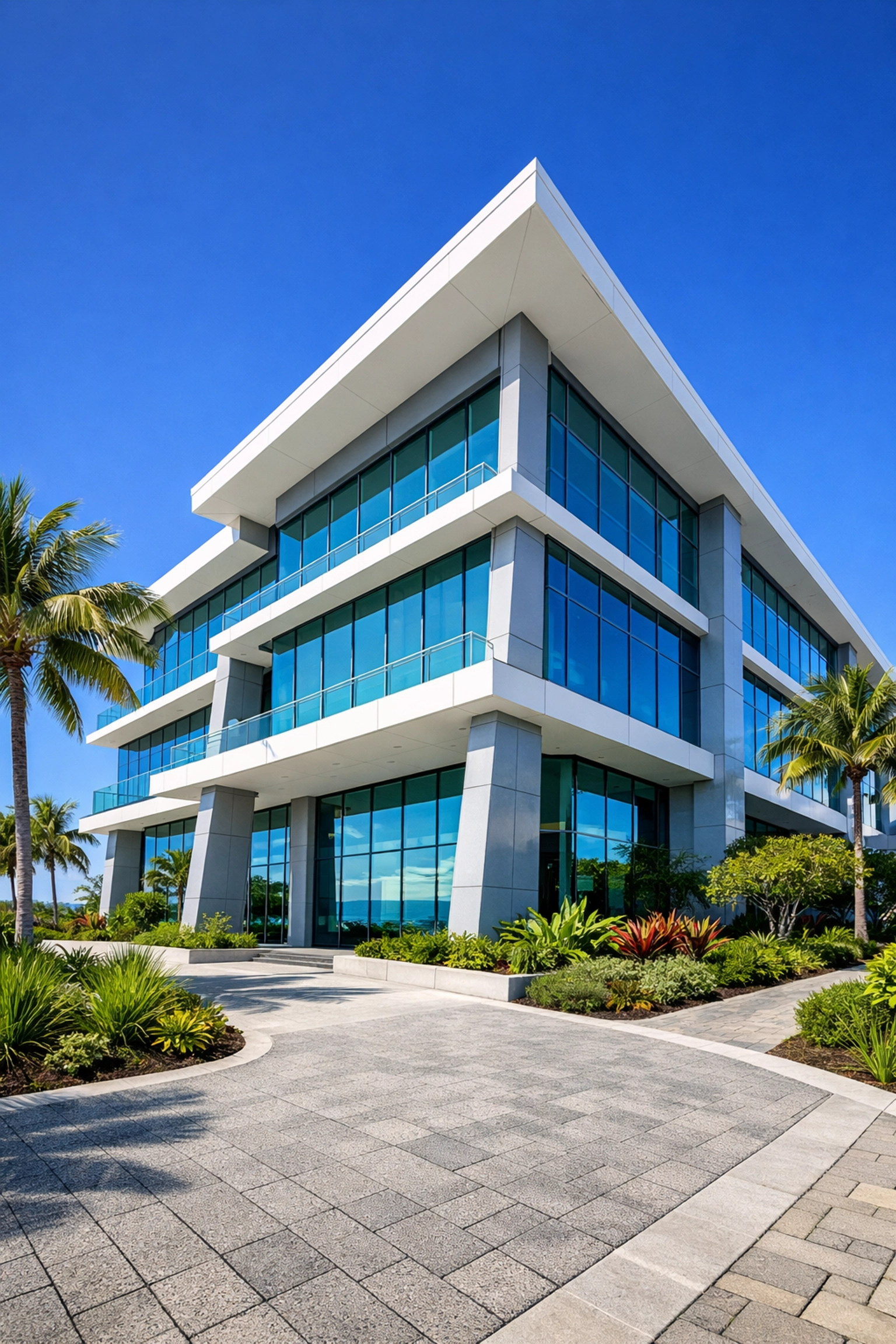
In commercial construction south florida, "building to code" should be seen as the bare minimum, not the goal. Given the increasing frequency and intensity of tropical storms, resilience is a key driver of long-term property value.
Expert builders prioritize a "continuous load path" from the roof to the foundation. This ensures that in high-wind events, the building acts as a single, cohesive unit rather than a collection of parts that can be torn asunder. Key considerations include:
- Impact-Rated Glazing: Standard windows are a liability. Impact glass is a requirement that protects the building envelope from pressure changes.
- Advanced Roofing Systems: Hip roofs and specialized tie-downs outperform traditional designs in high winds.
- Flood Mitigation: Raised foundations and permeable concrete are becoming standard in coastal developments to manage storm surge and heavy rainfall.
Investing in these features doesn't just protect the building; it significantly reduces insurance premiums: a major operational expense in Florida.
The Hidden Power of Value Engineering Construction
There is a common misconception that value engineering construction is just a fancy term for "cutting costs." In reality, true value engineering is about maximizing the function of a building while minimizing the life-cycle cost.
At SBC Florida, our process involves analyzing every material and system to see if there is a more efficient alternative that doesn't compromise quality. For example, opting for a high-efficiency HVAC system might have a higher upfront cost but will save 30% on energy bills over the next decade. Similarly, choosing certain cost drivers behind luxury builds can enhance the prestige and resale value of a commercial space without adding unnecessary fluff.
Professionals would never sacrifice the "bones" of a building for aesthetic tinsel. We focus on structural integrity and operational efficiency first, ensuring your investment stands the test of time and weather.
5 Critical Permitting Mistakes Always to Avoid
The permit office is where many projects go to die. The complexity of Florida’s building codes means that even a small clerical error can lead to a "Stop Work" order.
- Failing to Check for Open Permits: If the previous owner left a permit open, the county may refuse to issue new ones until the old ones are closed.
- Incomplete Engineering Calculations: Florida requires specific wind-load calculations. If these aren't precise, your plans will be rejected.
- Underestimating Review Times: Miami-Dade and Palm Beach counties have high volumes. You must factor in 3–6 months for the permitting phase in your timeline.
- Ignoring ADA Requirements: Commercial spaces must be fully accessible. Retrofitting for ADA compliance after construction is exponentially more expensive than doing it right the first time.
- Using Unlicensed "Consultants": Only a licensed construction management south florida professional or architect should handle your filings.
The 40-Year Building Recertification: A Legal Necessity
If you are purchasing or renovating an existing commercial structure, you must be aware of the 40 year building recertification (and the subsequent 10-year renewals). In the wake of recent structural failures in the region, inspections have become significantly more stringent.
This process involves a comprehensive review of the building’s structural and electrical systems by a professional engineer or architect. If deficiencies are found, they must be remediated within a strict timeframe to maintain the building’s Certificate of Occupancy. Navigating these requirements requires a contractor who understands the intersection of historical building techniques and modern safety standards.
Choosing the Right Partner for Your Vision
The difference between a landmark development and a financial headache often comes down to the team you choose. You need more than just a builder; you need a strategist who understands the local landscape. Selecting a team with 20+ years of experience ensures that you are benefiting from decades of localized knowledge, established relationships with subcontractors, and a proven track record of craftsmanship.
Before signing a contract, always ask key questions about their experience and their specific approach to the challenges general contractors face today, such as supply chain disruptions and labor shortages.
Conclusion
Success in commercial construction south florida is not a matter of luck; it is a result of meticulous planning, expert value engineering, and a deep respect for the unique challenges of the Florida climate. By avoiding common pitfalls and partnering with a team that prioritizes transparency and craftsmanship, you can turn your commercial vision into a resilient, high-value reality.
At SBC Florida, we specialize in navigating these complexities so you can focus on growing your business. Whether it’s a new build or a complex renovation, we bring the expertise needed to succeed in this competitive market.
This content is educational and informative, not a substitute for professional architectural or legal advice. Consult qualified providers for personalized project planning.