
Building Recertification Services in South Florida

Building recertification in South Florida is a mandatory process required to ensure that aging structures remain safe and compliant with local regulations. In Miami-Dade and Broward County, buildings must undergo structural and electrical inspections at 30 or 40 years of age and every 10 years thereafter to confirm they are safe for continued occupancy.


What Happens If You Skip Recertification?

Failing to complete your 40-year building recertification or any required inspection in other counties can result in serious outcomes, including:

Code Violations

  • The local building department may issue code violations and fines for non-compliance.
  • These fines can accumulate daily until the recertification is completed.

Eviction or Vacate Orders

  • If the structure is considered unsafe, the municipality can issue a vacate order, requiring all occupants to leave until the building is certified safe.

Increased Liability

  • The building owner becomes legally liable for any accidents, injuries, or damages caused by unsafe conditions. This could lead to lawsuits and higher insurance claims.

Denial of Insurance Coverage

  • Insurance providers may deny coverage or refuse renewals for properties that fail to meet recertification requirements, leaving the building exposed.

Higher Repair Costs

  • Delaying the recertification process often leads to worsening structural or electrical issues, increasing the cost of repairs.

Legal and Financial Consequences

  • Non-compliance can lead to lawsuits from tenants, local authorities, or other stakeholders.
  • It may also affect the building’s marketability and value, making it harder to sell or refinance.

Why Recertification Is Critical in South Florida

South Florida’s environment — including humidity, salt air, and extreme weather conditions — accelerates the deterioration of buildings over time. Recertification programs are designed to identify structural and electrical issues early, preventing serious safety risks and costly failures.


Beyond compliance, recertification helps:


  • Protect occupants and ensure safety

  • Preserve and increase property value

  • Maintain insurance eligibility

  • Avoid fines, liens, and legal issues


Taking a proactive approach allows property owners to plan repairs, control costs, and avoid last-minute emergencies.
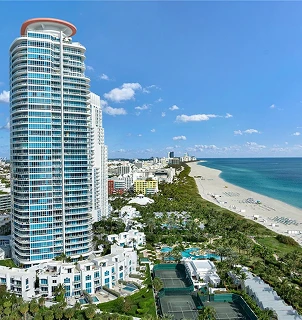
Who Needs Building Recertification in Florida

Recertification typically applies to commercial buildings, condominiums, and multi-family properties that meet specific age and occupancy criteria. Most buildings — except single-family homes, duplexes, and small structures — are required to comply once they reach the required age threshold.


This includes:

  • Condominium and apartment buildings

  • Office buildings and retail centers

  • Warehouses and industrial properties

  • Mixed-use and commercial developments


Failing to complete recertification can lead to fines, violations, and even loss of occupancy approval, making it critical to start the process early and work with experienced professionals.
Steps to Stay Compliant with Florida

Building Recertification

Whether you’re building your dream home, giving a property a fresh new look, or flipping a fixer-upper, we offer flexible financing solutions to support your vision. Here’s a breakdown of the types of construction financing we provide — all explained in everyday language.

Hire a Licensed Engineer or Architect

Engage a certified professional to perform your structural and electrical building inspection in
South Florida.

Submit the Recertification Report

File the completed inspection report with the local building department before the deadline.

Address Any Code Deficiencies

Complete any required repairs promptly to avoid penalties and ensure safety. Failing to comply with the Recertification requirement can result in significant financial, legal, and operational challenges.